The Lemon Basil Chicken Salad represents the pinnacle of clean, vibrant eating. This isn’t your average gloppy, mayo-heavy delicatessen staple; it is a masterclass in texture, acidity, and aromatic herbals. By ditching the heavy creams and focusing on the interplay of succulent roasted protein and zesty citrus, we create a dish that feels light yet deeply satisfying.
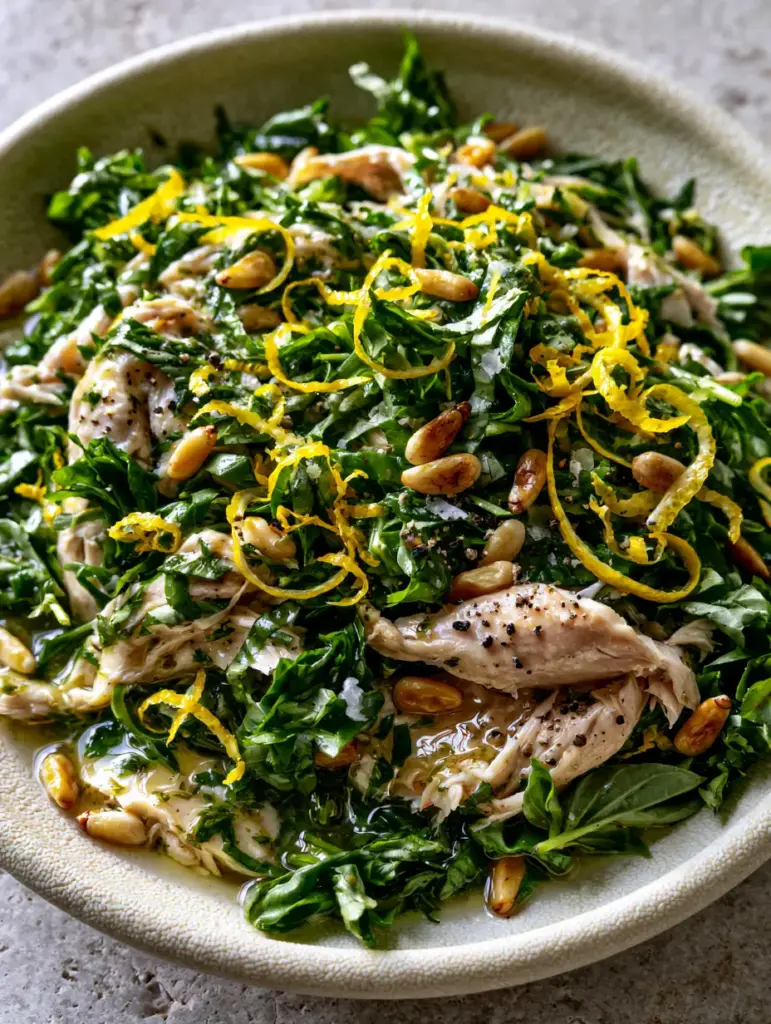
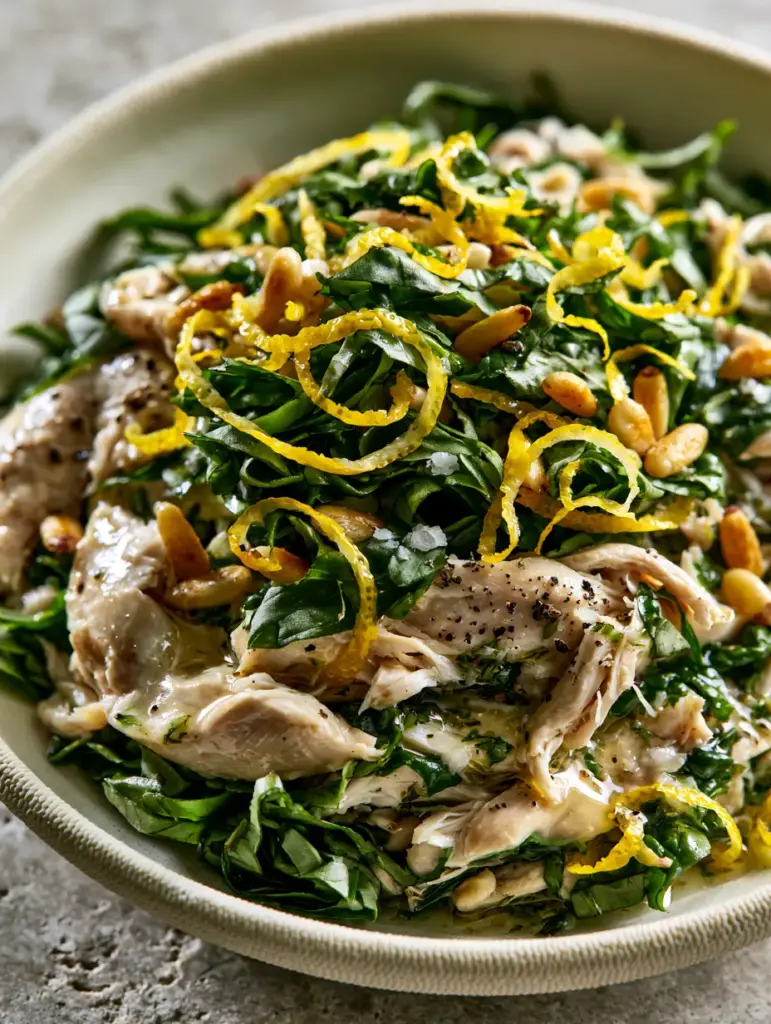
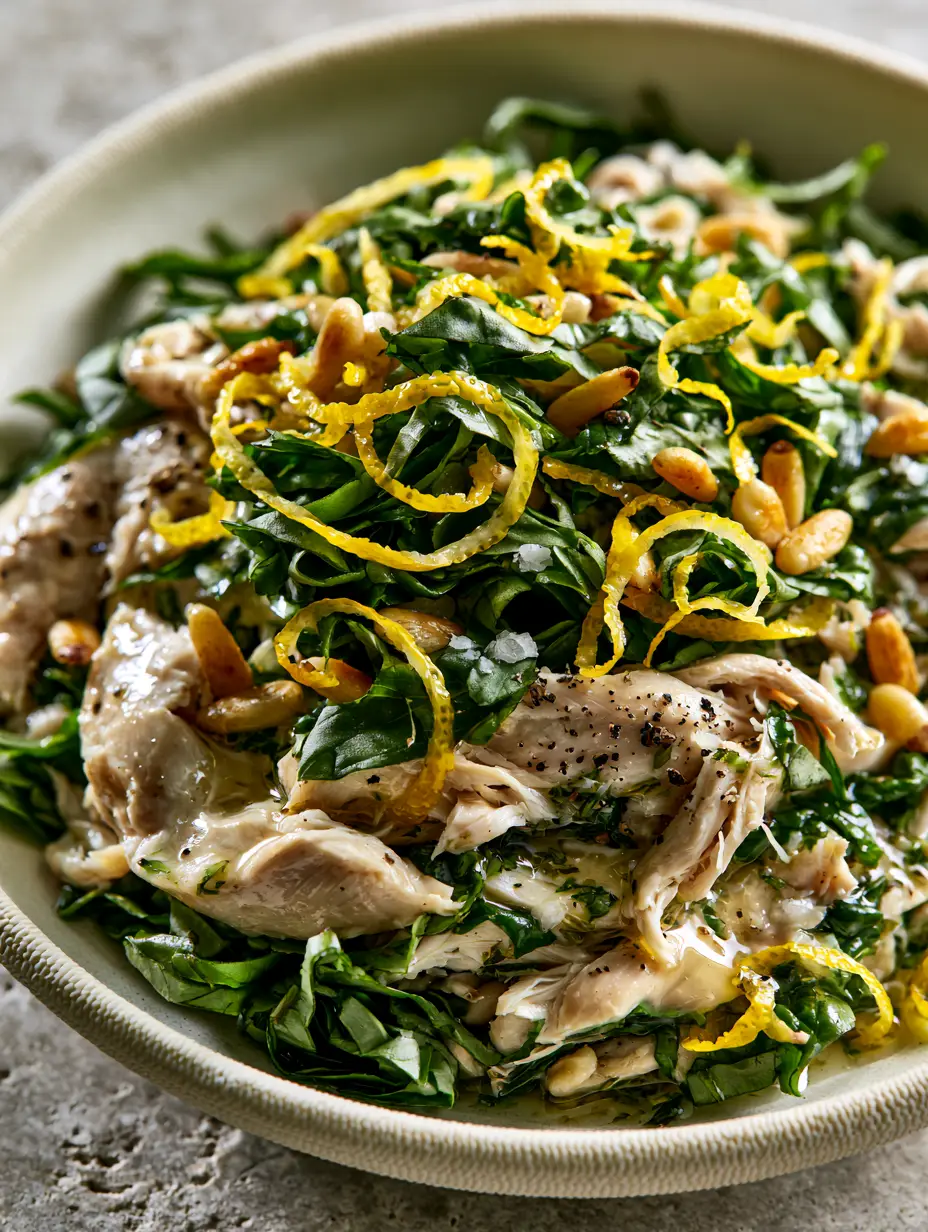
Imagine large, succulent flakes of hand-torn roasted chicken breast glistening under a translucent lemon-herb vinaigrette. Every bite offers the crunch of toasted golden pine nuts, the aromatic punch of fresh basil chiffonade, and the bright, floral notes of hand-curled lemon zest. It is a visual and sensory feast designed for those who appreciate the finer details of culinary craft.
Whether you are preparing a sophisticated weekend lunch or seeking a meal-prep solution that doesn’t lose its integrity in the fridge, this Lemon Basil Chicken Salad is your new benchmark. Let’s dive into the forensic details of how to achieve this specific, high-end visual and flavor profile in your own kitchen.
The Anatomy of a Modern Masterpiece: Why This Recipe Works
- No-Mayo Elegance: By using a translucent vinaigrette instead of cream, we allow the natural textures of the chicken and herbs to take center stage without being masked by heavy fats.
- Textural Contrast: We pair the soft, tender flakes of roasted chicken with the snap of crisp celery and the buttery crunch of toasted pine nuts.
- Visual Depth: The combination of bright green basil chiffonade against the matte cream of the chicken and the golden hue of the nuts creates a plate that looks professional and intentional.
- Aromatic Intensity: We don’t just use lemon juice; we incorporate the essential oils found in the zest curls to provide a lingering citrus fragrance that defines the Lemon Basil Chicken Salad experience.
Essential Components for the Ultimate Flavor Profile
Achieving the specific “glistening” look and “succulent” texture described in our visual blueprint requires more than just mixing ingredients. Each element must be treated with respect to its scientific properties.
Boneless, Skinless Chicken Breasts (approx. 2 lbs / 900g): The foundation of our salad. We roast these whole to retain moisture, ensuring they can be hand-torn into large, irregular flakes that catch and hold the vinaigrette in their crevices.
Fresh Sweet Basil (1 large bunch): We use a chiffonade technique—cutting the leaves into thin ribbons. This increases the surface area, releasing more aromatic oils into the Lemon Basil Chicken Salad with every bite.
Organic Lemons (2 large): We require both the juice for the acid component of the dressing and the zest for the aromatic curls. Organic is preferred here as we are consuming the exterior skin.
Pine Nuts (1/4 cup / 35g): These provide a rich, nutty fat that replaces the need for mayo. Toasting them to a specific golden brown is non-negotiable for the flavor depth we are seeking.
Crisp Celery (2 large stalks): Sliced thinly on a bias, celery provides the high-moisture “crunch” that balances the density of the chicken. It acts as the structural “bone” of the salad.
Extra Virgin Olive Oil (1/2 cup / 120ml): This is the base of our translucent vinaigrette. Use a high-quality, peppery oil to complement the fresh basil. If you enjoy this flavor profile, you might also love our Mediterranean-style bean salad.
Foundational Seasonings: Coarse sea salt flakes and freshly cracked black pepper. These are the visible “flecks” that provide the final seasoning pop and visual interest on the matte ceramic surface.
Precision Tools for Culinary Success
To recreate the high-quality handheld smartphone photo aesthetic, you need the right tools for preparation. A textured matte cream ceramic bowl is the ideal vessel to make the greens and yellows of the salad pop.
You will also need a sharp chef’s knife for the basil chiffonade, a channel knife or microplane for the lemon zest curls, and a heavy-bottomed sheet pan for roasting the chicken. A small skillet is required for the precise toasting of the pine nuts, as they can go from golden to burnt in a matter of seconds.
A Forensic Guide to Crafting the Lemon Basil Chicken Salad
Step 1: The Precision Roast
Preheat your oven to 400°F (200°C). Pat your chicken breasts dry with a paper towel—this is crucial for achieving a slight sear on the outside while keeping the inside succulent. Rub them with 1 tbsp (15ml) of olive oil and a generous pinch of salt and pepper.
Roast for 20-25 minutes until the internal temperature hits exactly 165°F (74°C). This ensures the meat is fully cooked but still moist enough to be torn by hand into those signature large flakes.
Step 2: The Hand-Tearing Technique
Allow the chicken to rest for at least 10 minutes. This lets the juices redistribute. Using your hands, pull the chicken apart along the natural grain of the muscle. This creates a “craggy” surface area that a traditional knife cut cannot replicate, allowing the vinaigrette to cling to the meat.
Step 3: Toasting the Golden Pine Nuts
Place your pine nuts in a cold skillet over medium-low heat. Shake the pan constantly. Look for a visual cue: the nuts will begin to glisten with their own oils and turn a warm, toasted golden color. Remove them immediately from the hot pan once they reach this stage to stop the cooking process.
Step 4: The Herb and Zest Preparation
Stack your basil leaves, roll them like a cigar, and slice thin ribbons (chiffonade). For the lemon, use a zester to create long, thin curls. If you are a fan of refreshing vegetable-forward dishes, consider pairing this with a crisp cucumber salad on the side.
Step 5: Emulsifying the Translucent Vinaigrette
Whisk together the remaining olive oil, the juice of one lemon, a teaspoon of Dijon mustard (for stabilization), and a pinch of dried oregano. The dressing should look translucent but slightly thickened. It should be viscous enough to coat the chicken without pooling at the bottom of the bowl.
Expert Tips for Success
- The Temperature Factor: For the best flavor absorption, toss the hand-torn chicken with half of the dressing while the meat is still slightly warm. This allows the vinaigrette to penetrate the fibers of the meat.
- Basil Preservation: Never chop basil when it is wet. Dry the leaves thoroughly before slicing to prevent them from turning black and bruised.
- Salt Selection: Use coarse sea salt flakes (like Maldon) at the very end. The larger crystal structure provides a satisfying crunch and a burst of flavor that fine table salt lacks.
- Zest Curls: If you don’t have a channel knife, use a vegetable peeler to take off a strip of zest and then slice it into hair-thin threads with your knife.
The Ideal Pairings for Your Chicken Salad
This salad is incredibly versatile. It works beautifully served inside a halved avocado or alongside a creamy white bean salad for a high-protein, plant-forward lunch. If you’re hosting a summer gathering, it also pairs well with our classic caprese pasta salad for a full Mediterranean spread.
For those who enjoy a bit of heat, a side of Asian crunch salad provides a spicy contrast to the bright citrus notes of the lemon and basil.
Frequently Asked Questions
Yes, the chicken and dressing hold up well for 3-4 days. For best results, keep the toasted pine nuts and fresh basil ribbons in separate containers and add them just before eating to maintain their texture and color.
Yes, you can use a store-bought rotisserie chicken for convenience. However, to maintain the ‘succulent’ visual from the blueprint, ensure you hand-tear the breast meat while it is still warm and toss it immediately with the dressing.
Basil oxidizes quickly when cut. To keep it bright green, ensure the leaves are completely dry before slicing, use a very sharp knife to avoid bruising, and toss it into the salad at the very last second.
Absolutely. This recipe contains no added sugars (aside from natural lemon juice) and relies on healthy fats from olive oil and pine nuts, making it an excellent low-carb and keto-friendly meal.
Toasted slivered almonds or sunflower seeds provide a similar crunch and healthy fat profile without the use of tree nuts. Ensure you toast them to a golden brown for maximum flavor.
The Ultimate Lemon Basil Chicken Salad Recipe
Lemon Basil Chicken Salad: A Vibrant No-Mayo Summer Favorite
Ingredients
Equipment
Method
- Preheat oven to 400°F (200°C). Season chicken with oil, salt, and pepper. Roast for 20-25 minutes until the internal temperature reaches 165°F (74°C).
- Rest chicken for 10 minutes. Use your hands to tear the meat into large, irregular flakes following the natural grain.
- Toast pine nuts in a dry skillet over medium heat until glistening and golden brown. Remove immediately.
- Combine olive oil, lemon juice, Dijon, and salt/pepper in a small bowl. Whisk until emulsified and translucent.
- In a large bowl, toss the chicken with celery, basil ribbons, lemon zest curls, toasted nuts, and the vinaigrette. Finish with extra sea salt flakes.
Notes
Store in an airtight container for up to 3 days; add fresh basil just before serving for the best color.
Closing & Call to Action
This Lemon Basil Chicken Salad is a testament to the fact that healthy eating never has to be boring. By focusing on high-quality ingredients and professional techniques like hand-tearing and precision toasting, you can create a meal that is as beautiful as it is delicious. The absence of mayo makes this a light, refreshing option that shines in any setting.
If you enjoyed this recipe, please leave a comment below and let us know how your version turned out! Don’t forget to save this to your favorite boards on Pinterest for your next meal prep session. Sign up for our newsletter to get more culinary blueprints delivered straight to your inbox.